


02 Jan - Massachusetts Kitchen Remodeling Costs: What Homeowners Should Expect
 A kitchen remodel is one of the most personal investments you can make in your home. It’s where everyday routines happen, from morning coffee to weeknight dinners, conversations that stretch a little longer than planned. Because of that, it’s natural for Massachusetts homeowners to want a clear understanding of what a kitchen remodel really costs before diving in.
The truth is, there isn’t a single number that fits every home. But there are consistent factors that influence cost, and understanding those upfront can make the planning process far smoother and more predictable.
What Kitchen Remodeling Typically Costs in Massachusetts
In Massachusetts, kitchen remodeling projects tend to fall into a few broad categories.
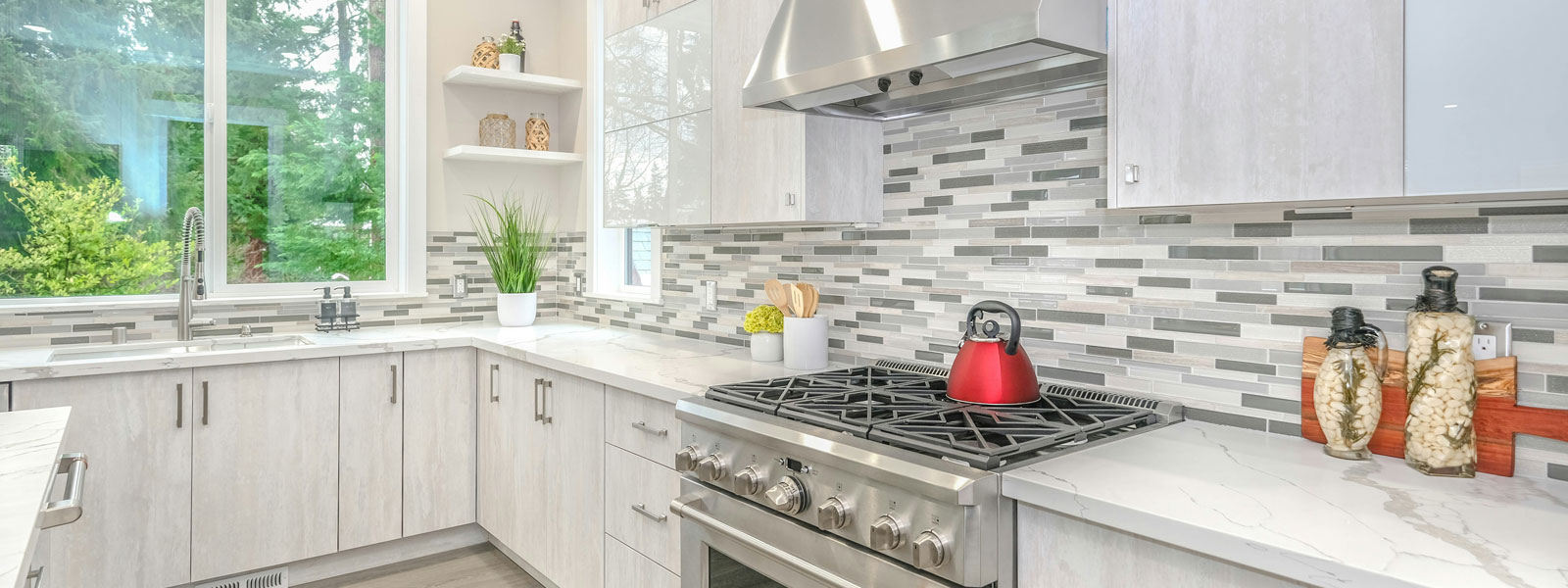
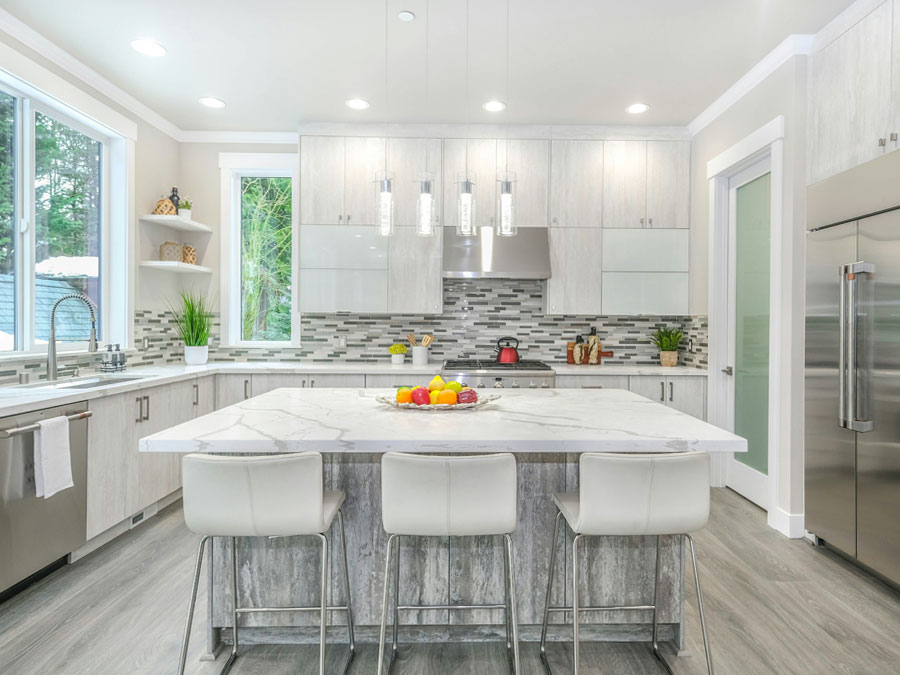
Smaller updates or cosmetic refreshes, such as new cabinetry, countertops, lighting, and finishes without changing the layout, often land in the $30,000 to $50,000 range. These projects focus on improving appearance and function while keeping the existing footprint intact.
Mid-range renovations typically fall between $50,000 and $80,000. These projects may involve higher-quality materials, improved storage, updated appliances, or modest layout changes that improve flow and usability.
Larger-scale or high-end renovations often exceed $80,000, particularly when walls are removed, plumbing or electrical systems are relocated, or custom cabinetry and premium finishes are involved.
Homeowner guidance from This Old House reinforces how widely kitchen remodeling costs can vary depending on scope, materials, and planning decisions, especially in older homes where surprises are more common:
What Actually Drives the Cost of a Kitchen Remodel in MA
While finishes get a lot of attention, they’re only part of the picture. Several behind-the-scenes factors often play a larger role in shaping the overall budget.
Scope and layout changes: Keeping your existing layout usually helps control costs. Once walls are removed or plumbing and electrical systems are relocated, the project becomes more complex. These changes can dramatically improve how a kitchen functions, but they require careful planning and coordination.
Older homes and infrastructure: Many Massachusetts homes were built decades ago, and it’s common to encounter outdated wiring, plumbing, or framing during a remodel. Updating these systems isn’t always visible in the finished space, but it’s essential for safety, code compliance, and long-term durability. Homeowner resources like Angi outline when permits are typically required during kitchen renovations and why these updates matter:
Material selections: Cabinetry, countertops, flooring, and fixtures span a wide range of price points. The most successful kitchens tend to balance durability, comfort, and timeless design rather than focusing on trends alone. Thoughtful selections here often have the biggest impact on how a kitchen feels years down the road.
Cosmetic Updates vs. Full Renovations
Not every kitchen needs to be completely reimagined. In some homes, a well-planned refresh delivers everything the homeowner is looking for. In others, a full renovation is the better long-term solution.
A cosmetic update might include replacing cabinets, countertops, lighting, and appliances while keeping the existing layout. These projects can dramatically improve the look and usability of a kitchen without major structural changes.
A full renovation, on the other hand, often addresses flow, storage, and how the kitchen connects to adjacent living spaces. This is especially common in older New England homes where kitchens were originally designed to be closed off.
Seeing real-world examples can help clarify which approach makes sense. Reviewing completed projects in the our portfolio offers a helpful look at how different levels of renovation come together in Massachusetts homes.
Designing Kitchens for New England Homes
Massachusetts homes have character, but that character often comes with design challenges. Cape-style homes, colonials, and split-levels frequently have kitchens that feel smaller or more segmented than modern lifestyles demand.
Improving these spaces takes careful consideration of layout, workflow, and storage. Editorial guidance from Architectural Digest highlights how successful kitchen designs prioritize circulation and function just as much as aesthetics—principles that are especially important when working within the constraints of older homes:
When handled thoughtfully, these challenges become opportunities to create kitchens that feel open, intuitive, and well-connected to the rest of the home.
Planning a Kitchen Remodel That Feels Worth It
A kitchen remodel isn’t about spending the most or the least—it’s about making informed decisions early. Homeowners who prioritize layout, invest in quality cabinetry and craftsmanship, and plan for the realities of older homes tend to have the smoothest projects and the best long-term results.
Equally important is working with a builder who understands Massachusetts construction, permitting, and the nuances of renovating homes that are often still lived in during the process. Experience at the planning stage can prevent costly changes later.
Working With J. McSharry & Sons
At J. McSharry & Sons, kitchen remodeling is approached with care, experience, and respect for the homes we work in. From early planning conversations through the final details, the goal is always the same: crafting kitchens that feel natural, function beautifully, and stand the test of time.
Homeowners can learn more about our broader capabilities on our services overview page, or take a closer look at how we approach kitchen projects on our kitchen remodeling services page. If you’re considering a kitchen remodel in Massachusetts, we are always happy to start with a conversation about your goals. Contact us to discuss your ideas and explore what a thoughtful, well-planned renovation could look like for your home.